

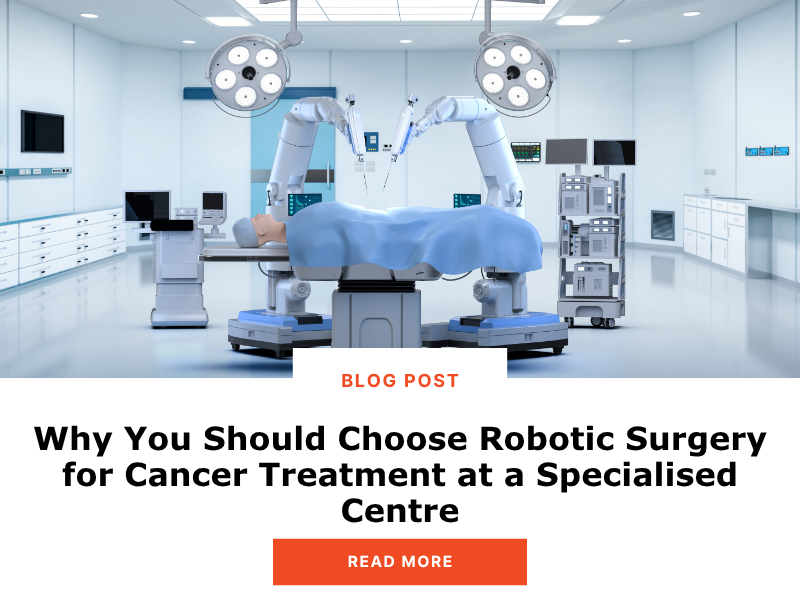
Cancer treatment has evolved rapidly with modern medical advancements, particularly in female reproductive cancers. Among these innovations, robotic surgery for cancer has emerged as a game-changing technology, offering greater precision and better recovery outcomes. One area in which this technology has made improvements is by increasing precision and decreasing invasiveness. In other words, when patients receive robotic-surgery-assisted treatment for their cancer (like ovarian, cervical, or uterine), they have a greater chance of living longer and recovering quicker.
Additionally, you need to choose specialisedcentres so that you may ensure effective outcome and increase your chances of survival. All these factors lead to a better overall quality of life for the patient as well as a reduction in costs to the health care system. In this blog, I, Dr Priyanka Batra will discuss why you should choose robotic surgery for cancer treatment at a specialisedcentre.
Why Choose Robotic Surgery for Cancer Treatment?
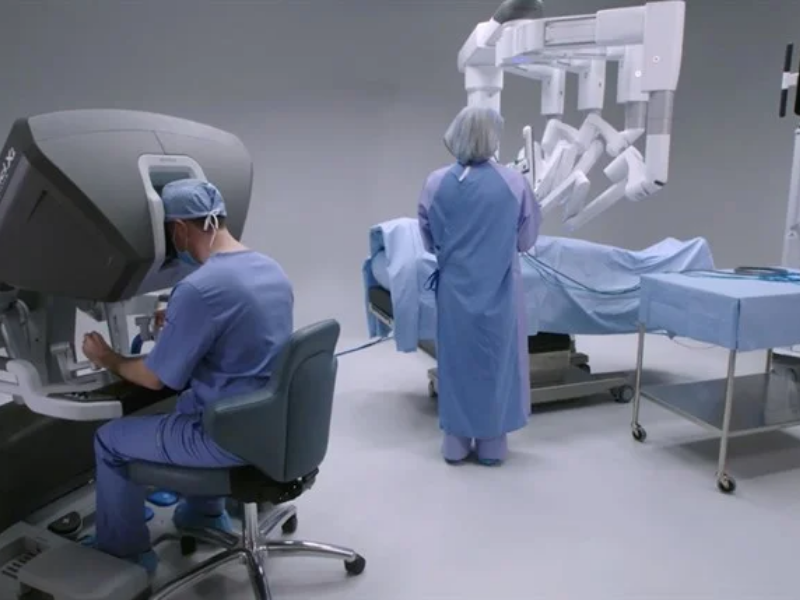
- Surgeons using robotic systems now have the ability to see their entire working field in magnified 3D. This enables the surgeon to remove cancerous tissues with more precision while preserving non-cancerous organs – an important consideration when operating on gynaecological cancers because of the potential to affect both fertility and the functioning of the organs.
- Surgical procedures using robotic equipment require much smaller incisions as compared to traditional surgical techniques, thus reducing the amount of blood lost, the amount of pain felt by the patient and the length of time it takes for the incisions to heal.
- Typically, patients who have undergone robotic surgery will recover from their procedure faster than those who have had traditional surgery; they are able to resume their regular lifestyle sooner, usually within a few weeks, as opposed to several months.
- Overall, robotic surgery significantly reduces the risk of infection, complications and post-operative pain as compared to traditional surgery.
- With the added precision of robotic technology, it is likely that the long-term outcome will improve for patients diagnosed with gynaecological cancers, since their chance for surviving longer is greater due to more accurate removal of both the tumour and the lymph nodes.
What is the Importance of Choosing a Specialized Centre?
- Cancer centres focus only on providing care for patients with a malignancy by leveraging multi-disciplinary specialists within the cancer-specific fields of diagnosis, surgery, chemotherapy, and follow-up care.
- The use of cutting-edge robotic technology, as well as advanced facilities, enables increased surgical accuracy and improved patient safety.
- Every patient will receive a personalised treatment plan that takes into consideration all pertinent factors associated with their type of cancer, its stage, and their overall health status.
- Speciality cancer centres provide comprehensive care through the entire continuum of care, from diagnosis through rehabilitation, in one convenient location.
Not all patients will qualify for robotic surgery. Patient characteristics that affect eligibility include, but are not limited to, cancer stage, their general health, and prior treatment. An in-depth consultation with an expert like Dr Priyanka Batra will assist in finding out what the best course of action may be.
Robotic surgery is the future of treating cancer as it combines technological advancements with surgeon’s skill to give safer, faster, and more efficient results. Patients who undergo robotic surgery should get precision care, shorter hospital stays, and overall improved quality of life when treated at a designated centre by a qualified and experienced gynaecological oncologist. If you or a family member has been diagnosed with gynaecological cancer and are considering undergoing robotic surgery at a designated centre, you will be making an impact on your healthcare.