

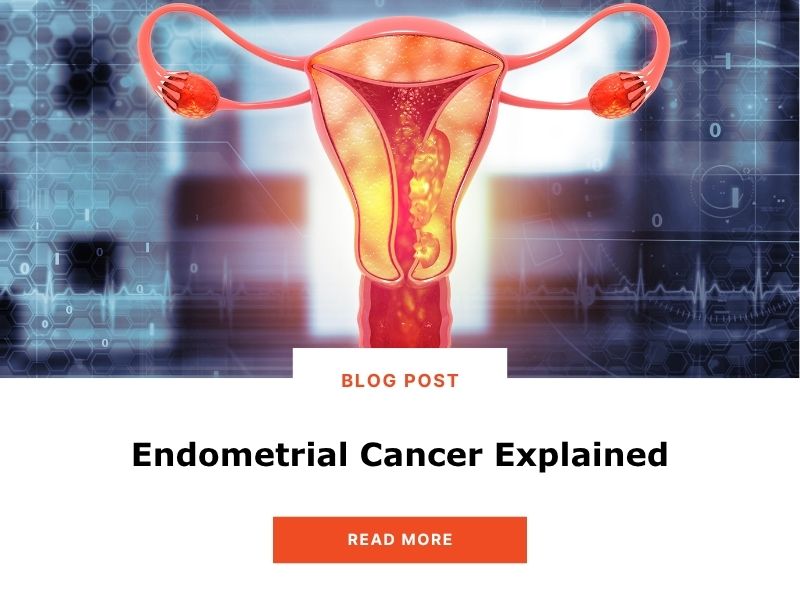
Gynaecological cancer comprises mostly endometrial cancer, which is a type of cancer that originates from the cells of the endometrium or uterine lining. The word “cancer” is a powerful word and may evoke feelings of fear or anxiety; the reality is that the majority of women diagnosed with endometrial cancer will have symptoms that will help identify the problem early. One of those symptoms can be abnormal vaginal bleeding.
It is critical to be aware of these abnormal bleeding patterns, have access to specialists who know how to diagnose and treat endometrial cancer, and seek out effective treatment options in order to have successful results. Early detection has a very high rate of success in treating endometrial cancer due to advances in technology, minimally invasive operations, targeted therapies, and customised treatment options; therefore, improving the overall outcome of women diagnosed with any form of gynaecological cancer.
As an expert in the field of gynaecological cancers, Dr Priyanka Batra places great emphasis on educating women about the disease so they can better understand what it means to them and how they can be proactive towards their health through early detection and patient-centred care, increasing the likelihood that they will have positive outcomes after surgery and/or other treatments.
This guide provides comprehensive information regarding endometrial cancer, including symptoms, causes, methods of diagnosis, treatments available and ways to reduce the risk of developing this disease.
What Is Endometrial Cancer?
Endometrial cancer originates in the endometrium (the inner coating of the uterus) when cells outside the normal range of development grow uncontrollably within the lining of the uterus. Many individuals use the phrases uterine cancer and endometrial cancer when talking about cancer; however, endometrial cancer specifically refers to cancer that originates within the lining of the uterus. Endometrial cancer is a major gynaecological cancer type and can often be treated successfully when detected in its earliest staging period.
What are the Early Warning Signs of Endometrial Cancer?
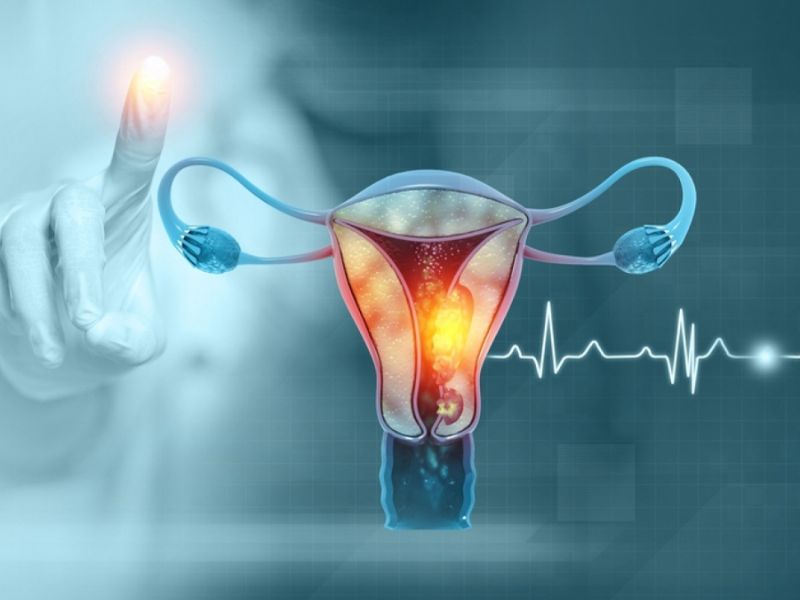
- The most frequent warning sign of endometrial carcinoma is abnormal vaginal bleeding. This can include: Bleeding that occurs between menstrual cycles; Heavy menstrual or irregular periods; Bleeding that happens after menopause. If a woman has post-menopausal bleeding, she should be evaluated by a healthcare professional because this is not normal.
- Persistent pain, discomfort or pressure in the pelvic area are signs of abnormalities within the uterus.
- Women may notice abnormal discharge, which could be clear and watery, blood-streaked, or abnormal in appearance/consistency.
- Some women may have pain/discomfort during sex.
- Women who have had unexplained weight loss and/or persistent fatigue may have an advanced stage of endometrial cancer.
What are the Treatment Options for Endometrial Cancer?
- Surgical intervention generally serves as the first course of action for treating cancer, including the removal of the endometrium (uterus) and related compartments, with the potential for curative intent and healthy patient recovery.
- Radiation therapy aims to eliminate or decrease the likelihood of recurrence, following surgical operations or in late-stage cases. In advanced cases or high-risk scenarios, chemotherapy could also be utilised in conjunction with other modalities to increase potential treatment success.
- Select patients could be treated with hormone replacement therapy in addition to the aforementioned therapies. Treatment advances provide opportunities for improvement in a variety of cancers.
Gynaecological cancers are among the most frequently diagnosed cancers in women, and the majority of these cancers can be effectively treated if they are detected at an early stage. The symptoms of abnormal bleeding, pelvic pain or abnormal vaginal discharge should never be ignored. The women’s health is improved significantly by creating awareness, receiving regular health checks, and quickly seeking medical treatment.
She can provide women with expert guidance and care that is customised specifically to them, as it relates to the early diagnosis of endometrial cancer, the most advanced technology available for treating endometrial cancer, and offering compassionate support for women with endometrial cancer or other gynaecological cancers.