


Stages of Cancer Explained helps patients understand one of the most important aspects of a cancer diagnosis. Diagnosis of cancer can be extremely stressful, and one of the first questions many patients ask is, “What stage is my cancer?” Knowing your cancer stage helps guide treatment options and provides important information about recovery, prognosis, and overall care planning.
Cancer staging also tells how much you have of your disease; for example, cervical cancer, ovarian cancer, uterine (endometrial) cancer, vulvar cancer and vaginal cancer. Staging will let you know where your disease is located in the body. Dr. Priyanka Batra, a doctor who specialises in gynaecological cancers, has prepared this comprehensive guide on the stages of cancer (through stage 1 to stage 4), determining the stage of the cancer and the implications of that stage for treatment and the patient’s outcome.
Stages of Cancer Explained: What Does Cancer Staging Mean?
There is a standard method for classifying cancers from their size (the tumour itself) through their involvement with adjacent organs (local extension) and regional lymph nodes, but also their presence in distant organs (distant metastases). The process of staging and using a specific system provides doctors with information to determine the best treatment plan, the likelihood of the patient’s survival (prognosis), to analyse treatment results and finally to track disease progression.
How Is Gynaecological Cancer Staged?
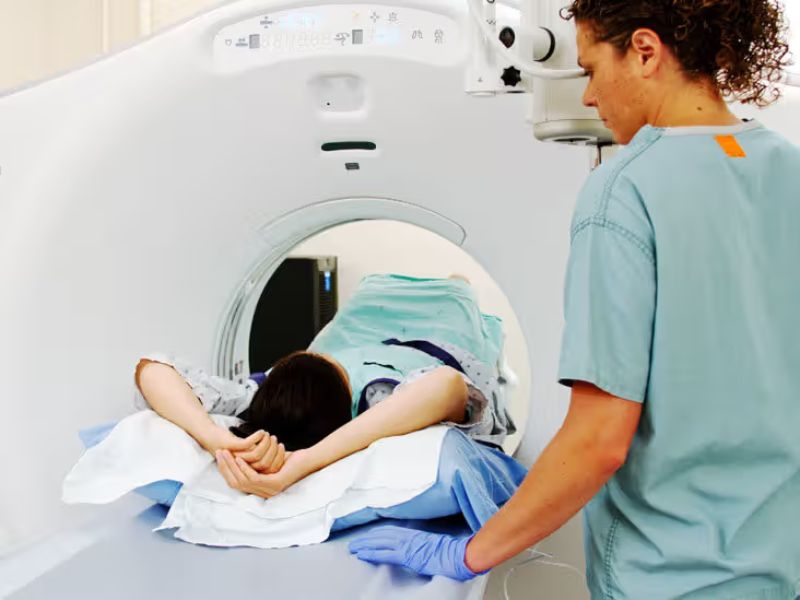
A doctor can determine the stage of your cancer through multiple tests
- Physical examination
- Pelvic exam
- Pap test (for cervical)
- Ultrasound
- MRI
- CT
- PET
- Bood teste
- Biopsy
What Is Stage 1 Cancer?
The meaning of Stage 1 Cancer is that this is when the tumour is localised within the organ it originated, and has not moved into the closest lymph nodes and/or other body parts (bone, lung, brain, etc.). Stage 1 Cervical Cancer means that the cancer is only in the cervix and has not spread beyond the uterus. Stage 1 Uterine (Endometrial) Cancer means that the cancer is only in the uterus. Stage 1 Ovarian Cancer means that the cancer is only in one or both ovaries.
What Is Stage 2 Cancer?
Stage II of cancer has additional involvement in tissues outside the primary cancer, but still primarily within local areas and tissue near where it started. For example, Stage 2 of Must Cervical Cancer is described as a tumour that has grown into an area other than the cervix but has not grown into the pelvic wall. Stage 2 of Endometrial Cancer is described as the cancer expanding from the uterus into surrounding areas such as the cervix. Stage 2 of Ovarian Cancer can be affected due to the growth of the cancer into different pelvic structures.
What Is Stage 3 Cancer?
Stage III indicates that the cancer has extended into areas outside of the tumour site, including adjacent structures, lymph nodes and adjacent tissue types. Specifically, in regard to Stage 3 Must Cervical Cancer, the cancer has extended into the surrounding structures adjacent to the pelvis. The lymph nodes may also be affected. In Stage 3 of Endometrial Cancer, the cancer has extended out of the uterus into outside areas, including lymph nodes and/or other pelvic structures. In Stage 3 Ovarian Cancer, if not already metastasised, and given the current rapid growth of the cancer, if present within the abdomen and/or affected lymph nodes, it will eventually be present in the abdomen or lymph nodes.
What Is Stage 4 Cancer?
Cancer is in Stage IV when it has metastasised/spread outside of the original area. Stage IV is also referred to as metastatic cancer. Stage IV cervical cancer metastasises to the bladder, rectum, lungs, liver, and bones. Stage IV ovarian cancer metastasises outside the abdominal cavity (places include the liver, lungs, and distant lymph nodes). Stage IV Endometrial cancer metastasises to the lungs, liver, bones, and all other distant organs.
Knowing the stage (Stage 1/Stage 2/Stage 3/Stage 4) of cancer enables patients to be well-informed when making decisions regarding their treatment plan. The ongoing progression of surgical techniques, chemotherapy, radiotherapy, targeted therapy, and immunotherapy delivery continues to enhance women’s clinical outcomes worldwide. Being diagnosed in the early stages of the disease is one of the most effective ways to help combat gynaecological cancers; therefore, performing routine screening tests and knowing about the signs and symptoms associated with gynaecological cancers, in addition to seeing a specialist promptly when experiencing any of these symptoms, is very important.
Dr Priyanka Batra provides women who are diagnosed with cervical, ovarian, uterine, vulvar, and all other types of female genital tract cancers with support through every aspect of their cancer journey in a comprehensive, compassionate, and evidence-based way so that patients can feel confident and hopeful throughout their entire cancer experience.