


The diagnosis of gynecologic cancer can be scary, and many women immediately ask, “Do I require surgery?” Gynaecological cancer surgery is a great treatment option for many gynaecological cancers, but not all patients will require surgery. The decision of whether or not to perform surgery is based on multiple factors such as the specific type and stage of cancer, the patient’s overall health status, and any plans for future fertility.
As one of the top expert gynecologic oncologists, Dr Priyanka Batra believes every woman should receive her own individualised treatment plan that utilises evidence-based medicine and provides them with high-quality compassionate medical care. This blog discusses when surgery is suggested, what you can expect during surgery, and how surgery integrates into your entire treatment process.
What Is Gynaecological Cancer Surgery?
Surgical treatment for gynaecological cancers involves a variety of surgical procedures, including procedures to remove cancerous tissue from a woman’s reproductive organs. The types of surgical procedures performed will depend on the diagnosis and include:
- Uterine
- Cervix
- Ovarian
- Fallopian tube
- Vulva/Vagina
- Lymph nodes near the cancer
- Any surrounding tissue where the cancer has spread
Surgical treatment has several primary goals:
- To remove the entire cancer
- To determine the stage of the cancer
- To help prevent reoccurrence
- To relieve symptoms associated with the cancer
- To increase the overall survival of patients undergoing surgical treatment for gynaecological cancer.
When Is Surgery Recommended?
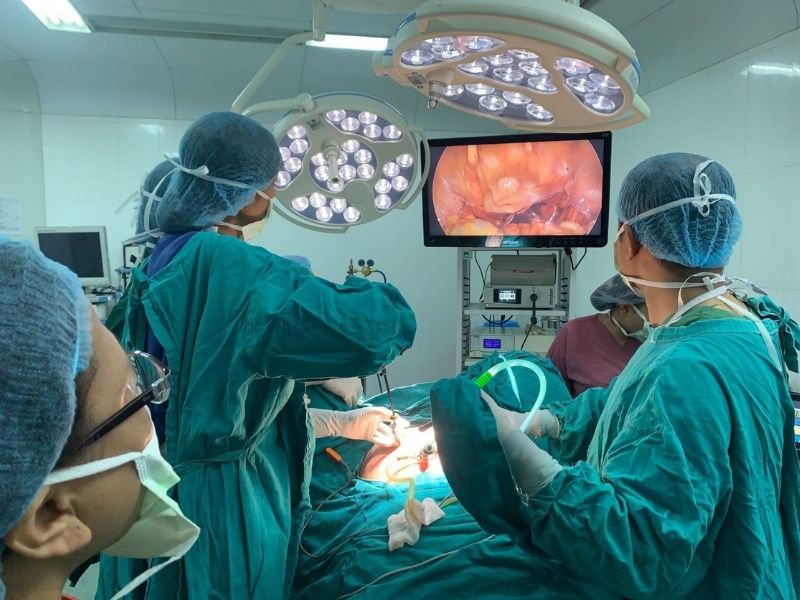
- For females diagnosed at an early stage of cancer, surgery alone may provide a complete and effective cure for the cancer. Early detection significantly increases the chance of successful treatment. The most common cancers diagnosed through surgery include Early ovarian, Early Endometrial (uterine), Early Cervical, and Vulvar. Imaging tests (ultrasound, CT scan, MRI, or PET scan) give reliable information; however, surgery is the only way to get an accurate picture of a patient’s tumour size, depth of invasion, lymph node involvement, and whether or not there is spread to nearby organs, a process known as surgical staging. Understanding the surgical staging of a cancer patient aids in determining if chemotherapy, radiation therapy, or targeted therapy is to be given after surgery.
- Surgery for removing as much visible cancer as possible is considered complete tumour resection or cytoreductive surgery since that offers the greatest chance of successful treatment; (as with ovarian cancer) if the entire tumour has been removed, there is a significantly higher chance of success with chemotherapy, compared to if the tumor is only partially removed. Often, in cases of advanced ovarian cancer, it improves the success of chemotherapy if the physician can remove as much of the tumour as possible before beginning either chemotherapy or radiation therapy.
- Surgeries are done not only to cure an individual; sometimes, surgeries will also help relieve the patient’s symptoms caused by the cancer, such as Heavy Bleeding, Chronic Pelvic Pain, pressure symptoms caused by bowel obstruction or difficulty passing urine. These surgeries that relieve symptoms due to cancer are called Palliative Surgeries and are performed to improve the patient’s Quality of Life.
Surgery has a critical role in the management of various forms of gynaecological cancers. It offers relief from painful symptoms, cures for patients with certain types of cancers, and helps doctors stage these cancers accurately. This decision can be made based upon the type and stage of the cancer, along with the patient’s overall health and desire for treatment.
If you are a woman diagnosed with a gynecologic malignancy or if you are a family member of a woman who has been diagnosed, consulting with an experienced specialist may have a major impact on your diagnosis and treatment options. Dr Priyanka Batra is committed to providing women with the highest level of need-based, compassionate care and assistance throughout their cancer experience.