

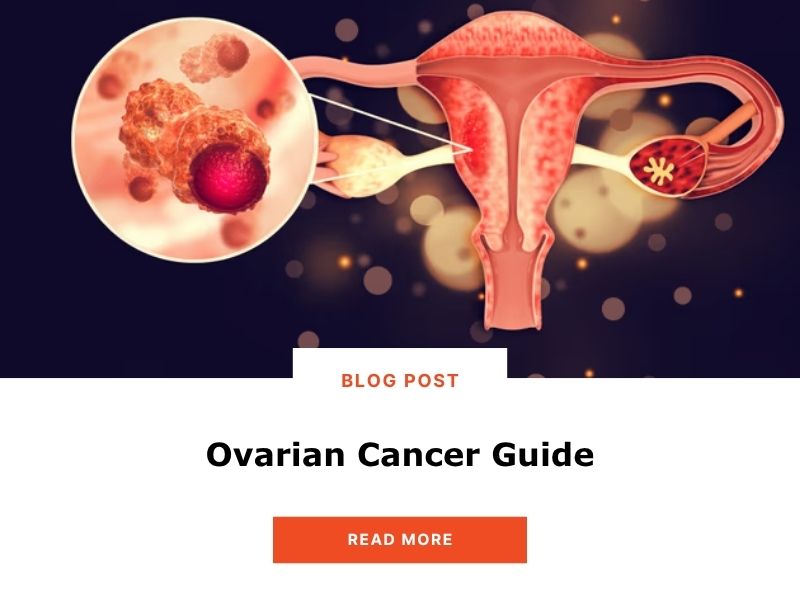
Sites where specific forms of carcinoma arise and malignant tumours develop within the female reproductive system, are referred to as Gynaecological Carcinomas. Ovarian cancer is the most severe type of Gynaecological Carcinomas. It is often referred to as “silent disease” because of the low ability to detect early signs of ovarian cancer and its subtle yet similar presentations of other common conditions (e.g., dyspeptic syndrome or endocrine dysfunction).
As a result, many women are diagnosed at later stages in their lives; therefore, education about early detection of ovarian cancer and the need for timely medical intervention is critical. Fortunately, due to improvements in the development of new ways to screen for ovarian cancer, new ways to diagnose This cancer using imaging technologies and techniques, and advanced methods of treating ovarian cancer, outcomes for women diagnosed with ovarian cancer have become markedly improved (particularly when there is a diagnosis of an early stage of it).
Dr Priyanka Batra, a Gynaecological Cancer specialist, highlights the importance of recognising symptoms, knowing risk factors, and getting expert medical care as soon as there are early signs of concern. This comprehensive guide will look at issues such as how to identify this Cancer, warning signs, causative factors of this Cancer, diagnosis of Ovarian Cancer, treatment options for Ovarian Cancer, as well as preventive strategies for Ovarian Cancer.
What Is Ovarian Cancer?
When abnormal cells grow uncontrollably in the ovaries (the reproductive organs that produce eggs and female hormones), this is called ovarian cancer. There are different types of this cancers that can occur, but the majority of cases begin with the epithelial cells lining the outer surface of the ovary. It is an important type of gynaecological cancer and can spread to other parts of the body if not diagnosed early. This makes it extremely important that women are diagnosed with ovarian cancer as soon as possible.
Why Is This Cancer Called the “Silent Cancer”?
Often referred to as the “silent cancer,” ovarian cancer can have very subtle, vague or nonspecific symptoms. Women may misinterpret these mild symptoms as being due to abdominal swelling, changing hormones, anxiety or gastrointestinal discomfort and delay seeking medical attention for several weeks, if not months. Continually recurring or worsening symptoms should always be evaluated and not dismissed as simply causing discomfort.
What are the Early Warning Signs of it?
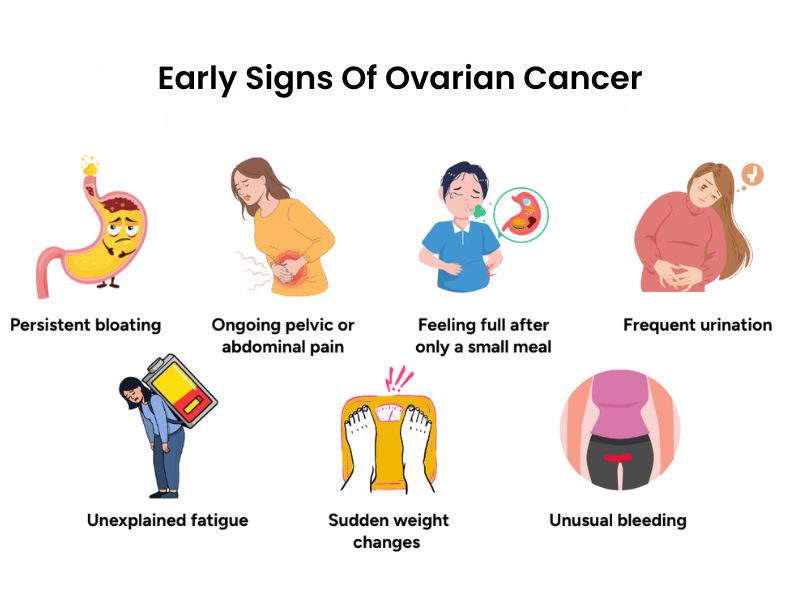
- Some early signs indicating the possibility of having this cancer might include frequent and non-resolving bloating, as opposed to occasional, temporary bloating; pressure or pain in the lower abdomen or pelvis (indicating possible hormonal changes). Also, problems with eating full meals or any unusual feeling of fullness after eating could also indicate that a woman has ovarian cancer.
- Frequently needing to use the bathroom, particularly when feeling rushed, could also be a symptom of ovarian cancer because of the pressure that a cancerous ovarian tumour puts on the urinary tract (even before having to urinate).
- Occasionally, experiencing constipation, discomfort while eating or changes to bowel habits may also indicate that a woman may have ovarian cancer.
- Persistent fatigue and/or weakness, weight loss or unexpected weight gain may also occur in women with advanced ovarian cancer.
What are the Treatment Options for this Cancer?
- The main way to treat women with ovarian cancer is through surgery, which removes the cancerous tissue. In certain cases, laparoscopic surgery (minimally invasive surgery) or robotic-assisted surgery may be appropriate options to consider.
- Chemotherapy will be used after surgery to kill any residual cancer cells, but may also be used before surgery. In addition, targeted medicine may improve your outcome by targeting the specific characteristics of your cancer cells.
- In some cases, certain types of therapy can help enhance your body’s ability to fight off it.
- Each case of this cancer is unique; therefore, your treatment plan should be individualised to provide the best possible outcome.
Ovarian cancer may be serious, but there is an increasing number of treatment options available due to improved diagnostic technologies. The earlier you are diagnosed with this type of gynaecological cancer, the more treatment options there may be for you. Symptoms of it include persistent bloating, pelvic pain or discomfort, changes in digestive processes, and urinary symptoms. These symptoms should never be dismissed as everyday discomforts.
With proper education, early diagnosis, and access to qualified healthcare providers, outcomes and quality of life may be greatly affected by this cancer. Women have the opportunity to receive comprehensive care, including access to early detection and advanced treatments for this cancer and other forms of gynaecological cancer, through the assistance of Dr Priyanka Batra.
[…] cancers refer to cancers that affect the female reproductive system, including Cervical cancer, Ovarian cancer, Endometrial cancer, Vaginal cancer and Vulvar cancer. None of the various cancers as already […]