

It can be difficult to accept the diagnosis of gynaecological cancer, and one of the first questions that many women have is: “What treatment is best for me?” Treatment options for gynaecological cancers such as ovarian, cervical, uterine (endometrial), vulvar, and vaginal may include surgery, chemotherapy, or both.

By distinguishing between surgery and chemotherapy, patients can make more informed decisions about their cancer treatment care and gain additional confidence in their treatment journey through a greater understanding of what each entails. According to Dr Priyanka Batra, a gynaecological oncologist, treatment plans should be individualised for patients based on their type of cancer, the stage and/or spread of their cancer, their overall health, and their future fertility desires.
What Is Surgery in Gynecologic Cancer Treatment?
- Surgical removal of tumour tissue in women with gynecologic cancer is believed to be the biggest way of treating cancer. The purpose of doing surgery is to get rid of any cancerous tissue that is there, to stop the cancer from spreading and to discover what stage the cancer is at. Each diagnosis will determine a different type of surgery that may be performed. Types of surgery that may be performed depending on your diagnosis include removing the cancerous part of the uterus (hysterectomy), removing the ovaries and tubes (oophorectomy), taking out lymph nodes for staging (lymphadenectomy) or taking out all of the cancerous part of the abdomen (debulking) in women who have advanced ovarian cancer. A few patients (who have advanced disease) will have their surgery done using advanced methods such as laparoscopic and/or robotic-assisted surgery.
- Surgery will usually be done when there has been early detection of cancer, there is a possibility to surgically remove the mass, it is medically necessary to obtain accurate information about the spread of the disease, and there may be a chance to preserve your childbearing ability. For many women with early-stage gynecologic cancers, the surgical option is often their first and most successful form of treatment.
What are the benefits of Surgery in Gynecologic Cancer?
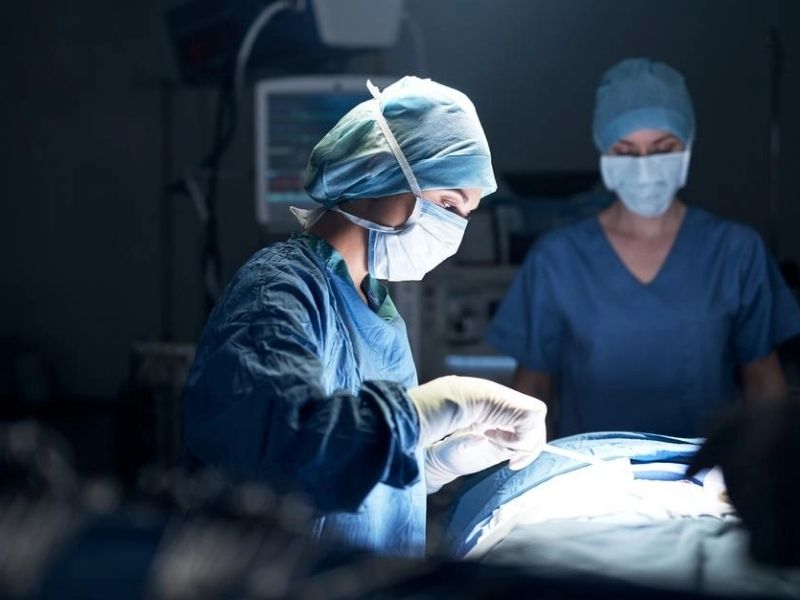
- Surgical excision of visible cancer may substantially decrease the amount of cancer in the body.
- Pathologists can then investigate both the affected tissue and lymph nodes to get a better idea of the degree of spread of cancer and help predict how best to treat it in the future.
- For some early-stage gynecologic cancers, surgery may represent the only required treatment.
- Finally, surgical treatment may alleviate symptoms that are due to the presence of malignant tumours (e.g. bleeding, pelvic pain, or pressure on adjacent structures).
What Is Chemotherapy?
The goal of chemotherapy is to kill and/or slow down the growth of cancer cells by using drugs that have been specifically created for this purpose. Chemotherapy is administered intravenously or orally and is often used alone or in combination with other therapies (such as surgery or radiation therapy). Depending on the situation, chemotherapy can be utilised before surgery (neoadjuvant) or after surgery (adjuvant). Chemotherapy is often utilised as the primary treatment for advanced cancers and for recurrent cancer therapy.
What are the Benefits of Chemotherapy in Gynecologic Cancer?
- Chemotherapy has access to tiny, cancerous cells in the body that have spread and cannot be removed by surgery.
- Chemotherapy is also used to eliminate any tiny cancerous cells that might remain after surgery, which is expected to reduce the chance of recurrence of the disease.
- Chemotherapy can make the surgery safer, as well as make surgery more effective for patients with certain types of cancer.
- Chemotherapy may be used to control the progression of cancers that cannot be completely removed surgically.
Each patient with gynaecological cancer has different needs when needing treatment for the disease. Your treatment will be based on how far along your cancer is, your health, whether you want to keep trying to have children and what your goals are. Dr Priyanka Batra is dedicated to creating individualised cancer treatment plans that allow women to make informed healthcare decisions with confidence.
Deciding on whether to have a tube removed (surgery) or to have chemotherapy to treat your gynaecological cancer can be a complicated decision. Surgery will remove your tumour, but chemotherapy will target the cancer itself throughout your body. Many women will have both types of treatment as part of their overall treatment plan. The best thing to do before deciding on a course of action is to see an experienced gynaecological oncologist. An experienced gynaecological oncologist will create a plan specifically for you, based on your medical diagnosis and your response to any current treatments, allowing you to make a more informed decision as to what is best for you.
Once you receive an accurate diagnosis, start your treatment in a timely fashion, and have experienced medical professionals provide you with guidance along the way, you will be able to go through the process of getting treated for gynaecological cancer with clarity and with hope.