

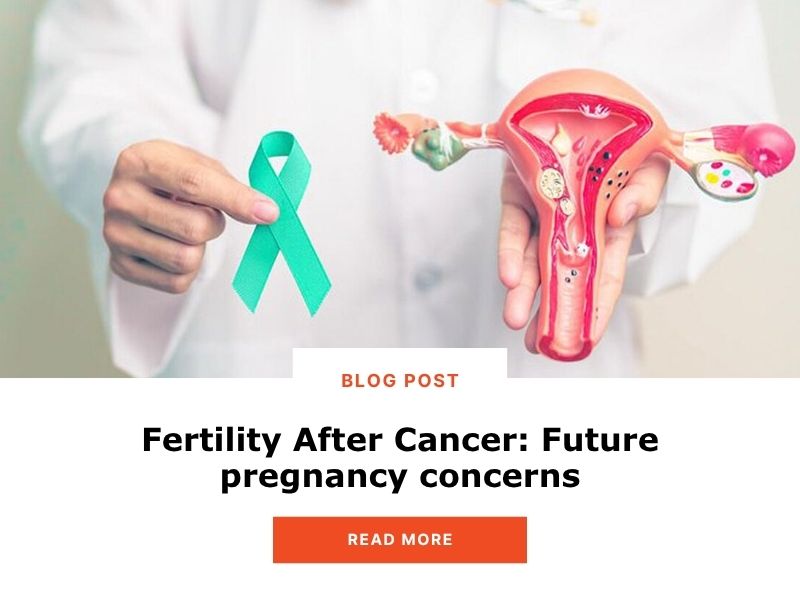
Receiving a diagnosis of gynaecological cancer can bring both emotional and physical challenges, especially regarding fertility after cancer. These concerns may be even greater for women who dream of becoming mothers in the future. Many younger women diagnosed with cervical, ovarian, or uterine cancer often ask questions like: “Will I be able to become pregnant after cancer?” and “How will cancer treatment affect my fertility and chances of having children?”
These same women may also inquire about available options for preserving their fertility. Fortunately, advances in gynaecological oncology and the use of fertility preservation techniques have made it possible for many survivors of gynaecological cancers to pursue future pregnancies. With effective cancer treatment and the combination of timely planning, expert assistance, and customised treatment approaches, many women can successfully preserve their reproductive health while receiving treatment for cancer.
Through this blog on fertility after gynaecological cancers, we will discuss the possibility of achieving a future pregnancy; concerns and fears about being able to have future children; and the ways that specialists like Dr Priyanka Batra assist women to achieve both effective cancer treatment and the realisation of their fertility goals.
Fertility After Cancer: How Gynaecological Cancer Affects Future Pregnancy
Gynaecological cancers are cancers of a woman’s reproductive organs. There are five major types of gynaecological cancers: cervical cancer (cancer of the cervix), ovarian cancer (cancer of the ovaries), endometrial cancer (cancer of the uterus), vaginal cancer (cancer of the vagina) and vulvar cancer (cancer of the vulva). The way a woman is treated for cancer – surgery, chemotherapy, radiation and hormone treatment – determines how the treatment may affect her future ability to get pregnant.
Cancer treatment can often damage reproductive organs, decrease the quality of a woman’s eggs, disturb menstrual cycles and/or reduce the likelihood of having a healthy pregnancy. But not all women will be infertile after they have had treatment for cancer, and many women will successfully become pregnant after cancer treatment if they plan well and have the right medical help.
How Cancer Treatment Can Affect Fertility?
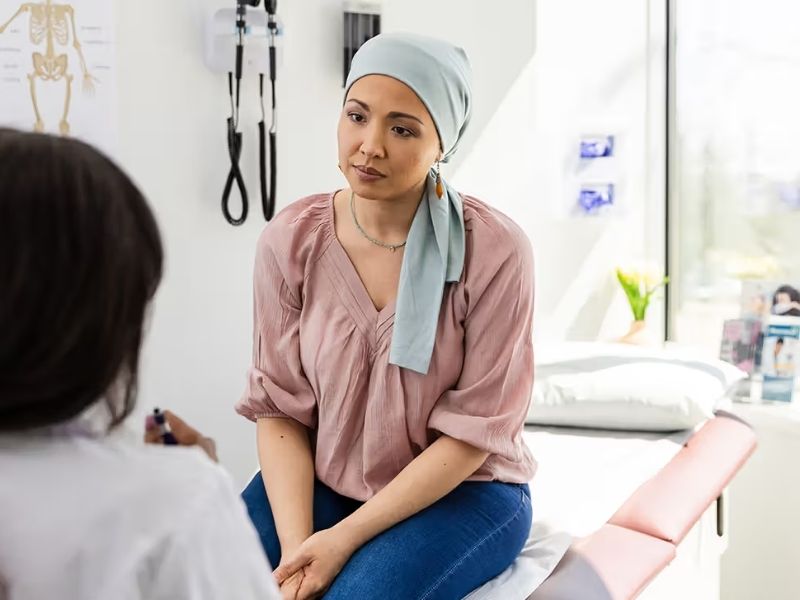
- Certain surgical removals of reproductive organs due to gynaecological cancers may directly prevent a person from having babies using their eggs. However, in some cases early-staged cancers can allow for reproductive organ preservation surgeries; for example, early-stage cervical cancer may sometimes allow for surgeries that do preserve your uterus, or in selected cases, one of your ovaries could be kept intact, depending on your type of ovarian cancer.
- Chemotherapy has been shown to reduce a patient’s ovarian reserve (the quantity of healthy eggs in the ovaries); in addition, this effect differs with the patient’s age and corresponds to the method used for treatment. The negative effects of chemotherapy on reproductive health can include irregular menstrual cycles and premature menopause, are reduced fecundity and could also have temporary/permanent damage to their ovaries. Menstrual cycles return after treatment for some patients, while other patients have persistent changes to reproductive function.
- Radiation to the pelvis affects the natural functioning of the uterus, ovaries, and hormones; thus, it can create difficulties for patients who want a baby to get pregnant. The negative effects of radiation on reproductive health can include: reduction in the normal function of your ovaries, hormonal dysfunction, increased complications while pregnant and abnormal uterine functioning. This can further demonstrate why fertility counselling should occur prior to beginning any form of treatment for cancer.
What are the Fertility Preservation Options Before Cancer Treatment?
- Prior to undergoing treatment, women can have their eggs removed and placed in cryogenic storage (frozen) so that they may contemplate future pregnancy.
- They are also able to save fertilised embryos (usually from IVF) for use in future pregnancies.
- When appropriate, women may have their ovarian tissue frozen and reimplanted following treatment.
- In certain instances of early-stage gynaecological cancer, it may be possible to preserve the reproductive organs.
Issues regarding fertility after being treated for a gynaecological cancer can be a concern for many women today. Still, it’s important to remember that a cancer diagnosis does not mean you will never again have the opportunity to become pregnant in the future. As technology improves, there are several options available to preserve/retrieve fertility as well as get a woman and her partner through gynaecological cancer treatment.
Having a gynaecologic oncologist to help you through early discussions about your diagnosis related to your desire to have a child in the future is essential. As a patient, finding out the risks to your fertility, alternate methods to preserve/retrieve fertility, and how to obtain support to make these choices are extremely beneficial in making an informed choice about what to do. Working with specialist doctors and experts like Dr Priyanka Batra will help you feel more comfortable through treatment while maintaining your vision for your future family. Discuss your options regarding rebuilding your family with a physician who understands your individual situation and your desire to eventually build a family.