

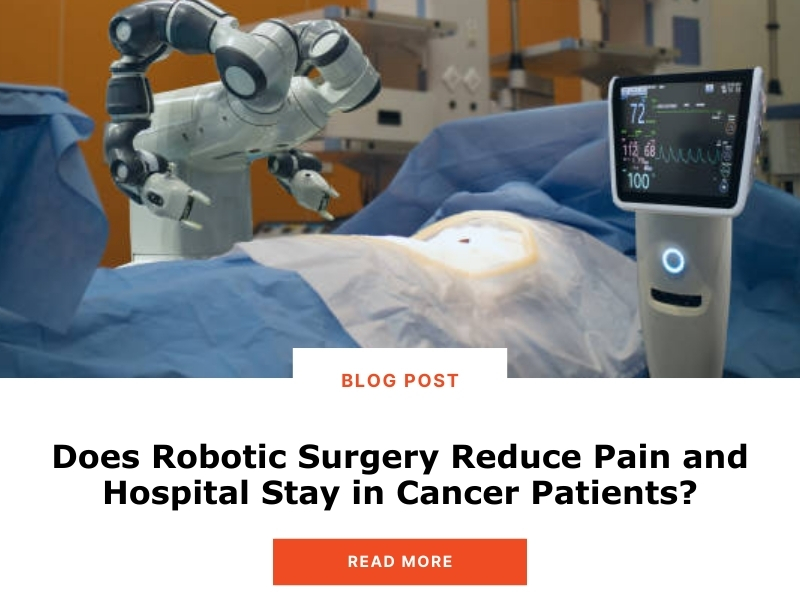
In recent times, where gynaecological cancer has become a persistent issue, a big misconception has become very common among people. In this regard, robotic surgery has introduced various ways to treat people suffering from cancer. One frequently asked question from patients is: Does having robotic surgery for cancer patient reduce pain and length of time in the hospital?
According to Dr Priyanka Batra, a specialist in minimally invasive surgical techniques for treating gynaecological cancers and utilising robotics for surgery on women who have gynaecological cancers, robotic surgery can reduce both pain and the length of your hospital stay when performed on appropriate patients by qualified surgeons. This article will discuss how robotic surgery will help cancer patients recover from surgery more quickly, feel less pain, and spend a shorter period in the hospital compared with their traditional counterparts.
Why robotics surgery matters to Gynaec Cancer?
Surgery, where a surgeon uses robotic arms to perform surgery using a high-precision console rather than physically performing the procedure manually (like traditional surgery in general). Robotic surgery is generally performed through tiny incisions, using a much smaller incision than open surgery. There is also the use of 3-dimensional images so that the surgeon has a very high measure of precision to ensure accuracy of the surgery than would otherwise be possible using conventional surgery.
How Robotic Surgery For Cancer Patient Reduces Pain?
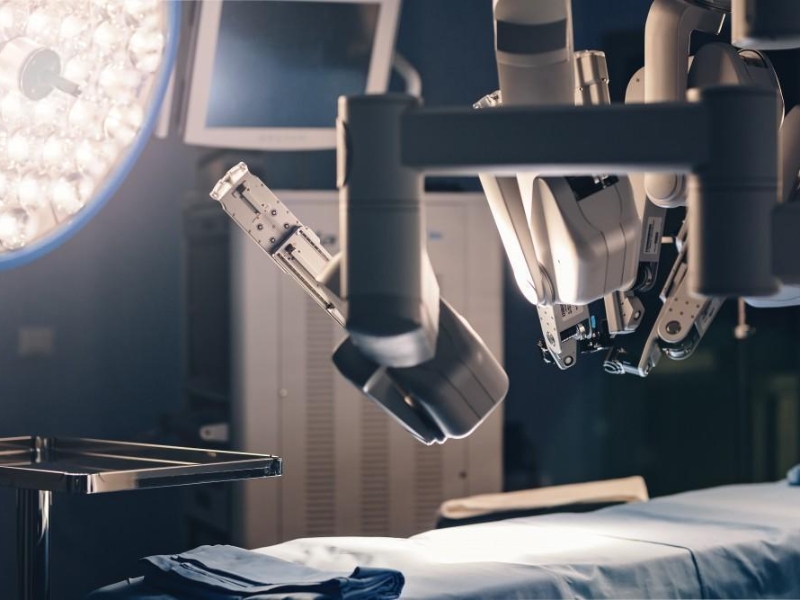
- Open cancer surgery usually needs a significant incision, which causes additional trauma to the muscles and tissues. Patients frequently report lower levels of pain following robotic surgical procedures in general than they do after traditional surgeries. This is particularly true in gynaecological cancers.
- Following robotics surgery, you will be able to experience reduced nerve irritation.
- Additionally, it reduces the chances of tissue injury and postoperative discomfort, which has made it one of the safest options.
- Robotic technologies offer increased accuracy and control. This increases the effectiveness of blood vessel sealing and reduces intraoperative bleeding and reduces transfusion requirements. Reduced blood loss contributes to a more comfortable recovery period and reduces the chance of complications.
- As pain is reduced, many patients use fewer opioid medications postoperatively. Therefore, they experience fewer side effects (nausea, drowsiness, and constipation). For older patients and those with existing medical conditions, this can be especially advantageous.
- A short span of hospital stay is another potential benefit of robotic surgery, which also includes reduced body pain.
- Following robotic surgery, you will be able to walk within 12 to 24 hours and will be able to resume your basic activities.
- It also includes fast recovery in comparison to traditional surgery.
- Robotic surgery reduces the risk of infections and allows patients to experience their first recovery in a comfortable environment.
- Generally, robotic surgery includes faster healing with no pain and fewer postoperative complications.
- Additionally, it has a low risk of surgical site infection, which is one of the primary reasons behind reduced pain.
What are the additional benefits of robotic surgery for women with gynaecological cancer?
- For younger patients, robotic surgery helps to increase fertility and enhance the quality of life, along with sexual health.
- Additionally, after robotic surgery, women can return to their daily activities early.
- Apart from that, it helps to improve the overall health of women.
- You will be able to balance your work, family and health early with robotics surgery.
Surgical robots have revolutionised cancer treatment, especially in gynaecologic oncology. Additionally, surgical robots have decreased pain, decreased the risk of complications, and shortened the duration of recovery time for patients, enabling patients to focus on recovering and returning to their previous level of functioning. According to Dr Priyanka Batra, the elements essential for successful cancer treatment are personalised care, cutting-edge technology, and compassionate care. If you or someone you know has received a diagnosis of gynaecological cancer, you should consult early to explore the most advanced and effective surgical treatment options currently available.