

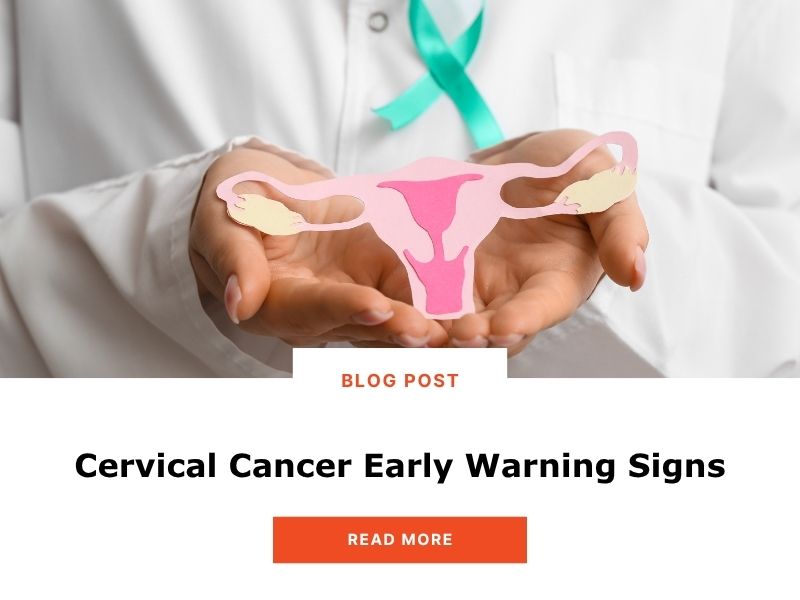
Cervical cancer is a form of cancer that can be both treated and prevented if the cancer is caught early enough. Unfortunately, a lot of women tend to overlook early warning signs and will often believe that they are experiencing minor body problems. Knowing how to recognise early warning signs of Cervical Cancer may help you receive timely medical treatment for the disease. In this article, you will find an overview of the early signs and symptoms of cervical cancer, as well as its risk factors. You will also learn when it may be appropriate for you to contact your medical provider for assistance.
What is Cervical Cancer?
The cervix is the lowest part of the uterus and is a narrow passage that opens up into the vagina. The cervix is responsible for many important aspects of a woman’s reproductive health. Generally, Cervical Cancer starts with normal cells in the cervix changing into abnormal cells. If not discovered early on, these abnormal cells can progressively develop into a cancerous stage over time, moving through precancerous phases to become an invasive type of Cervical Cancer.
The primary cause of Cervical Cancer is an infected Human Papillomavirus (HPV). As one of the most common viruses in the world, many individuals will likely have been infected with at least one type of HPV; usually, they are not aware of this. There is a specific set of HPV (high-risk strains) that can leave the cervix vulnerable to change; examples of these strains are HPV-16 and HPV-18.
The change from a normal cell to an abnormal cell in the cervix occurs gradually over time due to multiple factors; consequently, regular screenings (Pap tests, HPV testing) can help to identify pre-cancerous cervical-type conditions prior to developing into a cancerous condition. There are several factors that can increase the risk of HPV progressing to cervical cancer, including but not limited to: a weakened immune system, smoking cigarettes, and no regular screening for the detection of atypical cells.
What are the Early Warning Signs of Cervical Cancer?

- Early signs of cervical cancer include spotting or bleeding between periods, bleeding after sex, and vaginal bleeding after menopause.
- Any of these signs should always be checked out. Another sign is a change in the amount and/or appearance of vaginal discharge.
- If it becomes watery or thick and is malodorous, combined with bloody discharge, it may also indicate that cervical changes have occurred.
- Additionally, if pelvic pain occurs and is not related to a woman’s cycles or is getting worse over time, then it could also be concerning. Women should discuss with a physician any pain during sexual intercourse (i.e., dyspareunia) since it could indicate cervical changes.
- Finally, if a woman has a heavier or longer menstrual period than normal, this could also be a sign of early cervical issues.
- In advanced stages of early cervical cancer, a woman may experience an increase in frequency of urination and a burning sensation with urination, due to the pressure the tumour is exerting on the bladder or urethra.
What are the risk factors?
- The main risk factors for developing cervical cancer are long-term infections with high-risk HPV
- Becoming sexually active at an early age, which increases your risk of being infected with HPV and increases your risk of having abnormal cervical cells
- Having multiple partners increases your risk of contracting HPV
- Using tobacco, which weakens the immune system and can lead to cervical cell damage, making it easier for those cervical cells to become cancerous.
- HIV and long-term immunosuppressive therapy impair the body’s ability to fight off HPV infection.
- If you notice abnormal bleeding that has lasted more than several days or has appeared suddenly, or have experienced an abnormal amount of vaginal discharge or pelvic discomfort for over a few weeks, visit a healthcare professional without delay! Research indicates that early evaluation of these problems will provide you with better outcomes and healthier treatment alternatives.
Cervical cancer has the capacity to silently develop, so it is important to be aware of its early indicators. By being able to recognise the symptoms of cervical cancer, such as atypical bleeding or unusual discharge, you may be able to save your life. Cervical cancer can be treated or prevented completely if you are screened and vaccinated at the appropriate times and receive care from highly trained cervical specialists.