

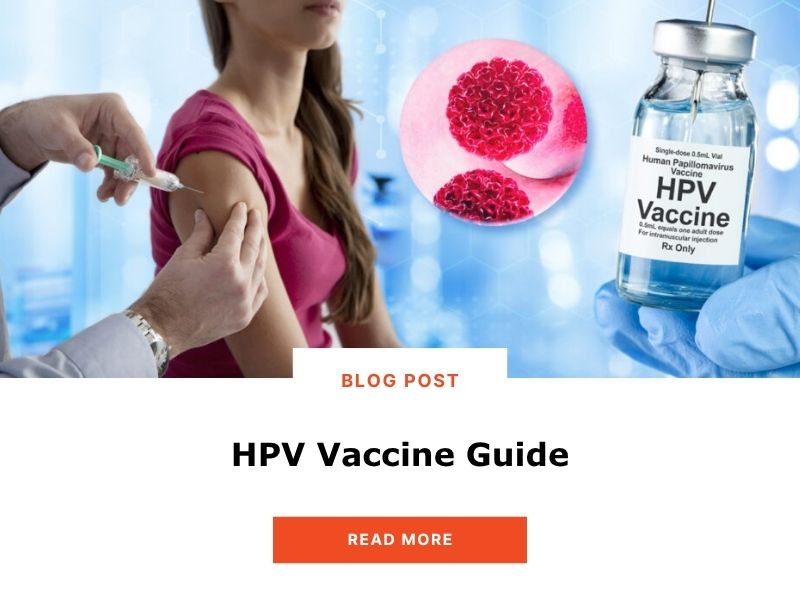
One of the best ways to fight cancer is prevention, and with respect to gynaecological cancers, the HPV vaccine is the new medical breakthrough. HPV (Human Papillomavirus) is one of the main causes of cervical cancer, as well as many other conditions related to women’s reproductive health. Even though more is known about the HPV vaccine, many parents and women still have questions regarding when the vaccine should be administered, who should receive it, if it is safe, and if it will protect them from developing cancer.
As a Gynae cancer specialist, Dr. Priyanka Batra highlights the need for awareness, preventive care, and early detection of Gynae cancer. The HPV vaccine guide contains all the information that women and their families should know about protecting themselves from HPV related cancers.
What Is HPV?
The Human Papillomavirus, or HPV for short, is one of the most commonly transmitted viruses through skin-to-skin intimate contact. In the majority of instances, the body has the ability to clear the virus from your system on its own with no negative health effects. Unfortunately, with some individuals, HPV can remain in your body indefinitely, and in those instances, there are several types of HPV that are high risk that can result in the development of serious and possibly life-threatening conditions, including various forms of cancer. One notable example of this would be cervical cancer, which is statistically linked to persistent HPV infection in a significant percentage of total cases of cervical cancer worldwide.
Why Is the HPV Vaccine Important?
Hpv Vaccines prevent high-risk “Cancer” strains of HPV that are most frequently linked with cancer from infecting you. VACCINES are an important part of protecting you against: Vaginal cancer, Vulvar cancer, HPV strains that cause genital warts (which can be sexually transmitted), Cervical pre-cancerous cell changes, Cervical cancer, and by lowering the incidence of HPV infections, decrease your chance of developing any future GYN cancer.
How Does the HPV Vaccine Work?
Before a person is exposed to the high-risk strains of the human papillomavirus (HPV), the HPV vaccine provides the immune system with the necessary tools to identify and attack those strains. Unlike therapies designed to treat illnesses, the HPV vaccine functions as a preventive measure; thus, the highest rate of success is achieved when a person has not yet been exposed to HPV. Although the HPV vaccine cannot eliminate the HPV infection itself, it does have the potential to protect against subsequent infections with potentially oncogenic (cancer-causing) HPV strains.
Who Should Get the HPV Vaccine?
- Recommended use of the HPV vaccine is at an earlier age as it is more effective if administered before there is any exposure to HPV, which is why vaccination of pre-teens and early teens is generally recommended.
- However, even if they did not have the opportunity to receive the HPV vaccine earlier, teenagers and young adults can still receive benefits from being vaccinated.
- Similarly, women who missed out on the HPV vaccination when they were younger may still qualify depending on their age, medical history or individual health risk factors.
One of the most effective ways to prevent cervical cancer and other gynaecological cancers is through the HPV vaccine. It is effective, safe and scientifically proven, and protects against high-risk HPV strains that cause various diseases.
Vaccination is only one part of the equation. Regular screening, increasing awareness and consulting with your physician as soon as possible about any concerns you have will help you make informed decisions that can save your life.
Dr Priyanka Batra provides personalised guidance to women regarding their risk of developing HPV, will help them understand how HPV vaccination may help protect them and will also provide comprehensive gynaecological cancer care.