


Prevent Cancer Recurrence is a major concern for women diagnosed with gynecologic cancer, even after completing treatment. However, for many women, recovery does not stop after surgery, chemotherapy or radiation therapy—there remains uncertainty and anxiety related to the potential recurrence of cancer. While no prevention techniques can completely eliminate this concern, proper follow-up care is very important to reduce risk, detect problems early, and support long-term health.
Monitor regularly for abnormal conditions following your treatment. Your health care provider may suggest a schedule of follow-up care depending on the type of gynecologic cancer you have developed, but in general, your health will be monitored regularly throughout your lifetime. If you are worried about developing a gynecologic cancer, your health care provider may also provide guidance for developing an individually tailored plan for follow-up care based on your medical history and previous cancer treatments. As Dr Priyanka Batra states, there is no substitute for the consistency provided by structured post-treatment care for early intervention should you develop any concerns.
Why Prevent Cancer Recurrence Follow-Up Care Matters After Gynecologic Cancer Treatment?
There is a possibility of cancer coming back after treatment. Follow-up appointments monitor your progress and check for any changes. When cancer recurs, discovering it early usually leads to better results, gives you more treatment choices, and has a higher chance of living longer after treatment.
Ongoing follow-up care provides benefits like discovering recurrences early, managing side effects caused by treatment, tracking your total hormonal and reproductive health, and supporting your mental/emotional health. This will give you the best chance of long-term survival and improve your quality of life. Because each type of gynaecological cancer behaves differently, creating an individual follow-up plan for women who have had treatment for gynaecological cancers is particularly critical.
What Happens During Follow-Up Visits?
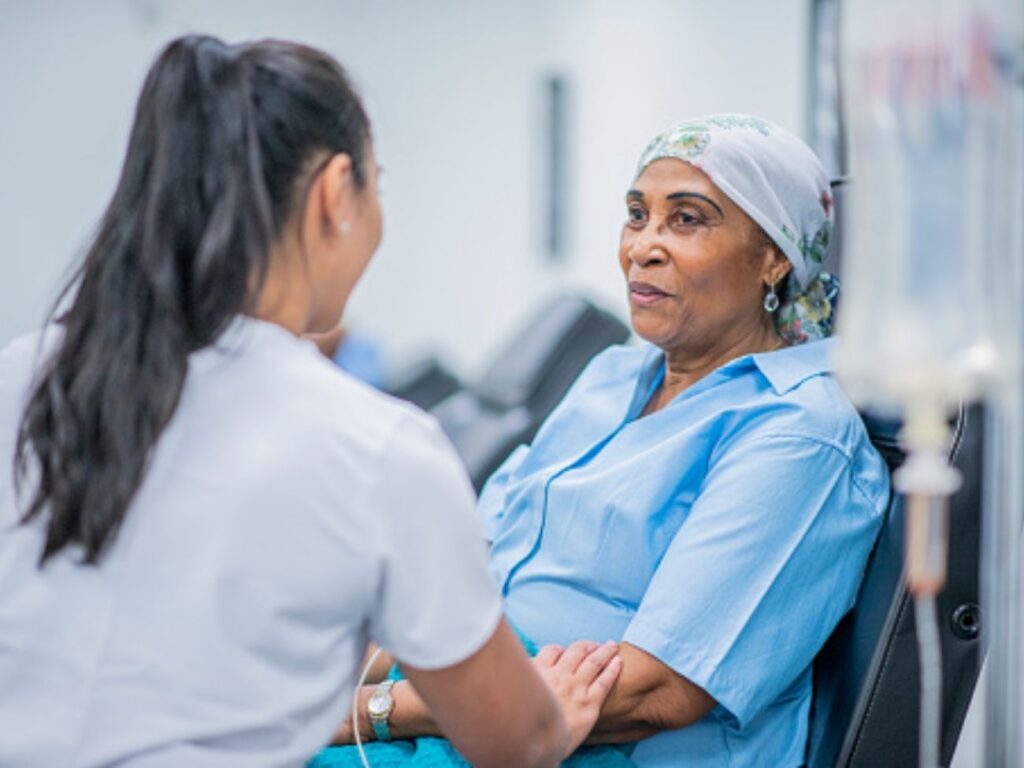
- Routine exams and pelvic evaluations can help find any abnormal signs or indications. These tests are very important for women who have had cervical, uterine, or ovarian cancer to monitor their recovery.
- Your physician may utilise imaging techniques (e.g., ultrasound, CT scan, and MRI) to assess your internal health based on your risk factors and symptoms.
- Blood tests are also used to check for cancer markers in some gynaecological types of cancer (e.g., CA-125 for ovarian cancer) as part of follow-up care.
- Physicians will evaluate your symptoms, such as bloating, fatigue, pelvic pain, unexpected bleeding, weight loss, and digestive issues, to help determine whether or not there is a recurrence of cancer.
What are the Lifestyle Changes That May Help Reduce Recurrence Risk?
- Eating a balanced diet consisting of an abundance of fresh fruits and vegetables, lean sources of protein, and whole grains can assist the body’s ability to heal and strengthen its immune system. Eliminating processed and excess quantities of sugars from your grocery list may contribute positively to your health.
- Exercising regularly can help with energy levels, decrease the amount of stress you are experiencing, maintain an appropriate weight, and allow for stronger recovery from your cancer treatment.
- Using tobacco products and drinking too much alcohol will increase your overall health risks and can limit or slow your recovery. Staying away from tobacco and limiting your alcohol consumption supports your long-term health.
- The recovery process can have emotional difficulties associated with it for women. Counselling, attending support groups, meditating, or practising mindfulness can all enable a woman to cope with anxiety that may be due to worrying about experiencing another cancer recurrence.
- Many cancer survivors have a fear of cancer recurrence, causing many women to experience anxiety prior to their follow-up appointments or have anxiety when they notice something new on their bodies.
- It is important that women have an open line of communication with their healthcare providers, as well as receive emotional support from their families, friends, and support groups during their recovery process, in order to assist them in leading a less difficult emotional recovery.
- Emotional well-being should be given equal attention to physical wellness during all phases of being a cancer survivor.
Every woman has her own unique healing process. A woman who has been treated for cervical cancer may require a number of pelvic examinations, while survivors of ovarian cancer will no doubt be monitored for blood markers and receive imaging studies. Furthermore, individualised care ensures a complete and thorough assessment of their past history of treatment and future risk of developing disease. Prevention of recurrences of cancer includes not only medically treating the disease but also providing continuing care and education for the patient, as well as being aware of how to maintain a healthy lifestyle.
Follow-up care for patients who have been diagnosed with gynaecological cancers is also beneficial for the physician to monitor the patient’s healing process, early detection of recurring disease, and provide interventions for physical or emotional issues prior to them becoming overwhelming.
Women can empower themselves through their follow-up care by attending regular check-ups, being aware of the signs and symptoms of recurrence, and establishing healthy habits, while receiving the guidance of an expert. By being provided with proper support and an effective follow-up care plan, women who are becoming cancer survivors will be able to concentrate on healing and developing healthier lifestyles going forward. Dr Priyanka Batra is an advocate for developing individualised survivorship care plans as they are critical for assisting patients in being proactive about their health after treatment and lessening their fears and uncertainties.