


Robotic Surgery Benefits have transformed the way patients suffering from cancer are treated through advanced medical technologies. As a result of these technological developments, surgeries are safer, more accurate, and less invasive than they have been in the past. In gynecologic oncology, robotic surgery is now one of the most advanced methods of treating patients with ovarian, cervical, and endometrial cancers. Patients diagnosed with a gynaecological cancer who have robotic surgery may benefit from faster recovery times, less discomfort after the procedure, and greater accuracy in the surgery.
Dr Priyanka Batra, who is a doctor that specialises in treating patients with gynaecological cancers, states that robotic surgeries are changing how gynaecological cancers will be handled moving forward by using state-of-the-art technology (robots) in conjunction with performing surgeries using minimally invasive techniques. In conclusion, the combination of using state-of-the-art technology (robotics) and minimally invasive techniques will improve the quality of life of patients who are diagnosed with gynecological cancers.
Why Robotic Surgery Is Becoming Popular in Gynecologic Cancer Care?
Traditional approaches to surgery are often characterised by large incisions, extended hospital stays and long recovery times. Through the use of minimally invasive techniques (robotic-assisted surgical methods), patients recover in a more comfortable manner than with traditional surgery, while still achieving surgical success.
For patients undergoing gynecologic oncology, it is critical to achieve precise surgical results since surgical procedures typically involve delicate reproductive organs as well as surrounding tissues and lymph nodes. The use of robotics enhances the surgeon’s movement and improves their ability to see, which increases surgical accuracy.
What are the Robotic Surgery Benefits in Gynecologic Cancer?
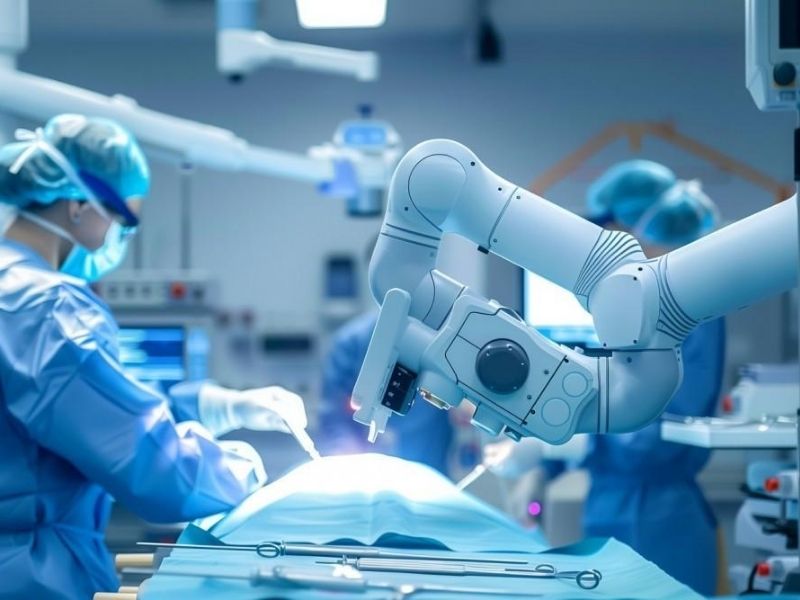
- Tiny incision sizes, as opposed to large abdominal incisions, provide one of the most valuable benefits of robotic-assisted approaches. Smaller incisions generally result in less visible scarring, less trauma to surrounding tissues, more desirable cosmetic results and fewer wound complications than traditional techniques. This can be especially important to women worried about healing from surgery and their body image.
- The use of robotic technology enables surgeons to make precise movements that might not be possible with standard techniques. The robotic system offers superior dexterity and flexibility, increases surgeons’ control over their instruments, improves the accuracy with which they remove cancerous tissue, and reduces the risk of damaging neighbouring healthy tissue/organs. In the case of gynaecological cancers, a primary objective is consistently achieving optimal results with respect to the removal of the cancer while preserving as much of the healthy structures as possible.
- Robotic-assisted surgery provides surgeons with a high-quality magnified three-dimensional view of the operative field, thus allowing them to view the pelvic organs, vessels, lymph nodes, nerves and other structures with a level of detail not otherwise available, resulting in increased accuracy when performing complex surgeries involving these structures. Improved visibility may lead to more complete cancer excision and/or more positive surgical results.
- Robotic surgery is typically performed through smaller incisions than traditional open surgery, and, as a result, patients usually experience less pain and discomfort after their procedure. In addition to experiencing less pain and discomfort, patients undergoing robotic-assisted surgery typically do not require as much pain medication, can recover in a more comfortable manner, and can start moving and becoming mobile at an earlier date than they would have if they had undergone open surgery. Many patients also report feeling physically stronger sooner than they would have if they had had an open procedure.
- One of the most significant advantages of undergoing robotic-assisted surgery is that recovery times are often shorter than those associated with traditional open surgery. In many cases, patients have shorter hospital stays, are able to return to their regular daily routines more quickly, have less physical downtime, and can return to work and family responsibilities earlier than they would have if they had had an open procedure. While the speed of recovery from robotic surgery varies from person to person, minimally invasive surgery usually promotes a faster healing process.
The advent of robotic surgery in the treatment of gynecologic cancers means there is now a less-invasive, highly precise and more patient-friendly method available for treating these women with gynecologic cancers. There are many benefits for many women with gynecologic cancers, from less invasive incisions and pain to faster recovery times and greater accuracy in performing procedures. However, there are several factors to consider when selecting the right treatment option, including each patient’s individual needs and the opinion of an expert in the field.
Patients who receive personalised assistance and have access to advanced surgical expertise can make informed decisions about their health care and the process of recovery. When receiving care from an experienced specialist such as Dr Priyanka Batra, patients can experience greater confidence, comfort and hope as they undergo robotic surgery for the treatment of their gynecologic cancers.